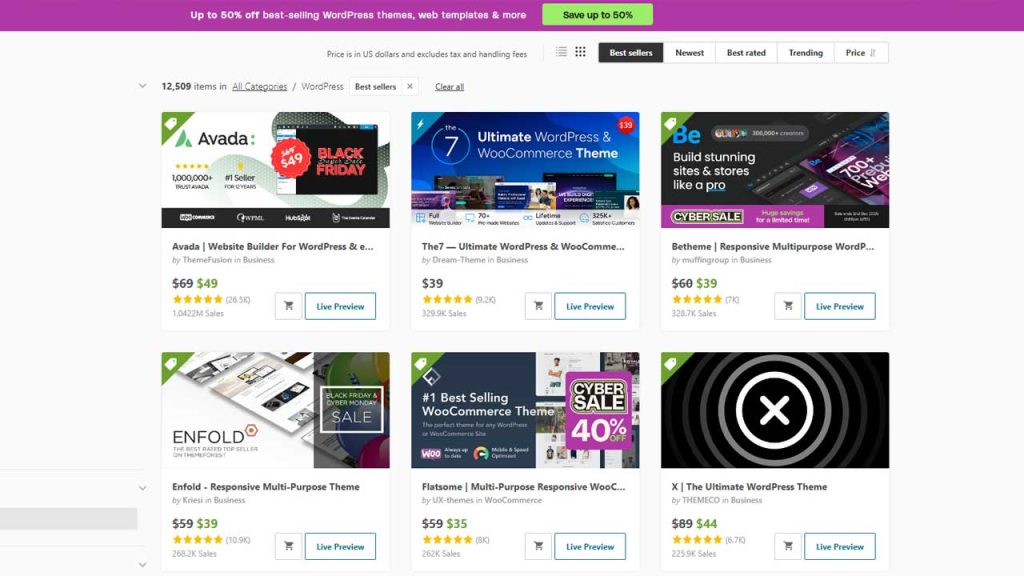
The Strategic Role of WordPress Themes in Business Branding
A WordPress theme is more than a visual wrapper, it is a structural and aesthetic foundation that directly influences how an audience interprets the credibility, professionalism, and identity of a business. In digital branding, first impressions occur within seconds, and the selected theme determines whether visitors perceive a website as trustworthy, authoritative, and aligned with its core values. A well-designed theme ensures consistency across pages, supports intuitive navigation, and reinforces brand identity through typography, color harmony, and layout precision.
The strategic importance of theme selection grows even further as businesses transition into competitive digital ecosystems where design quality affects engagement, retention, and conversion. A theme that is chosen without evaluation may diminish user trust, while a theme selected through thoughtful analysis elevates brand perception, improves usability, and strengthens the website’s overall authority.
The Connection Between Website Aesthetics and Digital Credibility
The aesthetic structure of a website significantly shapes a user’s judgment about the reliability of the business behind it. Research consistently shows that visual design accounts for a majority of first impressions, making the theme a determining factor in perceived legitimacy. A polished theme communicates seriousness, competence, and dedication to quality, whereas a cluttered or outdated appearance often results in skepticism and immediate exit behavior.
Key aesthetic elements influencing credibility include:
-
Consistency of visual hierarchy, ensuring users understand the importance of each section.
-
Appropriate use of whitespace, which enhances readability and reduces cognitive load.
-
Professional typography, reinforcing authority and making content approachable.
-
Balanced color schemes, supporting emotional resonance and brand trust.
-
Modern layout patterns, aligning the website with current user expectations.
Thus, a business that invests in a refined, coherent theme inevitably communicates professionalism before a single sentence is read.
Why Theme Selection Influences User Experience and Conversion
Beyond aesthetics, a WordPress theme directly affects how users interact with the site and whether they complete desired actions such as making inquiries, booking services, or purchasing products. User experience (UX) is tightly integrated with theme architecture, coding quality, layout responsiveness, and navigational clarity.
A strategic theme selection enhances conversion by ensuring:
-
Fast loading times, which reduce bounce rates and improve engagement.
-
Mobile responsiveness, ensuring consistent usability across devices.
-
Intuitive navigation patterns, making it effortless for visitors to locate essential information.
-
Logical content flow, guiding users from introduction to action-oriented sections.
-
Clear calls to action, supported by visual alignment and persuasive placement.
When a theme delivers seamless usability, users naturally perceive the business as reliable and professionally managed, resulting in higher conversions and stronger customer retention.
Core Factors to Evaluate Before Selecting a WordPress Theme
The selection of a WordPress theme must be approached through a systematic and analytical lens, particularly when the website serves as an extension of a professional or commercial brand. A theme is more than a visual shell; it is an architectural framework that dictates performance, user experience, search visibility, and long-term scalability. For this reason, the evaluation process must consider several foundational components that determine whether a theme is structurally sound, technically reliable, and aligned with the strategic goals of the business.
Responsiveness and Cross-Device Compatibility
A high-quality WordPress theme must demonstrate flawless adaptability across multiple device types, including mobile phones, tablets, laptops, and large desktop displays. Modern users interact with websites through a wide variety of screen dimensions, and any inconsistency in layout can directly affect engagement, readability, and conversion.
Key elements to evaluate include:
-
Consistent typography and spacing across all breakpoints
-
Proper image scaling, especially for high-resolution displays
-
Flexible grid structures that maintain layout integrity
-
Navigation menus that remain functional and intuitive on mobile
-
Compatibility with touch gestures and mobile UI patterns
A theme lacking responsive optimization not only diminishes user satisfaction but also risks lower ranking performance due to Google’s mobile-first indexing standards.
SEO-Friendly Architecture and Schema Compatibility
A website’s search performance is significantly influenced by the underlying code structure of its theme. A well-coded theme provides clean markup, semantic HTML tags, and schema.org integration that assists search engines in understanding the website’s content hierarchy.
The following technical aspects must be assessed:
-
Semantic heading structure (H1, H2, H3) that reflects proper content hierarchy
-
Lightweight and efficient CSS and JavaScript files
-
Built-in support for schema markup (e.g., Organization, Product, Article)
-
Canonical tag compatibility to avoid duplicate content issues
-
Indexability and crawl efficiency for search engine bots
Themes that prioritize SEO architecture create a strong foundation for visibility, allowing content and backlinks to produce maximum ranking value.
Performance, Speed, and Code Cleanliness
Website speed is a measurable ranking factor and a critical determinant of user satisfaction. Themes burdened with unnecessary scripts, oversized assets, or inefficient code structures often slow down page load times, resulting in increased bounce rates.
Performance benchmarks to verify include:
-
Minimal reliance on external libraries or bloated frameworks
-
Optimized CSS delivery (minification, merging, and asynchronous loading)
-
Lazy loading for images and multimedia elements
-
Efficient PHP coding following WordPress best practices
-
Compatibility with caching and performance optimization plugins
A theme constructed with performance-first principles enables the website to meet Core Web Vitals requirements, thus enhancing both UX and SEO.
Accessibility Standards and Readability Considerations
The accessibility of a website is directly tied to its inclusivity and compliance with global digital accessibility regulations. A theme that incorporates accessibility features ensures that all users, including those with visual, auditory, or motor limitations, can interact with the website effectively.
Important accessibility features include:
-
High color contrast between text and background
-
Keyboard-navigable menus and interactive components
-
ARIA labels for assistive technologies
-
Clear typographic hierarchy (font weight, size, line height)
-
Alt-text support for images and non-text content
A theme that adheres to WCAG (Web Content Accessibility Guidelines) enhances credibility and expands the audience reach while reinforcing professional integrity.
Integration Capability With Page Builders and Plugins
Modern websites rely on various tools and plugins to extend their functionality. For this reason, a theme must allow seamless integration with widely used WordPress plugins and page builders without causing conflicts or affecting performance.
Compatibility areas to examine include:
-
Support for Elementor, Gutenberg, Beaver Builder, or WPBakery
-
Integration with SEO plugins such as RankMath or Yoast SEO
-
E-commerce compatibility with WooCommerce
-
LMS compatibility for educational or course-based websites
-
Smooth interoperability with multilingual systems like WPML or Polylang
A theme with strong integration capabilities reduces technical issues and ensures that future expansions of the website can be implemented without structural limitations.
Color Psychology and Brand Consistency in Theme Selection
The selection of an appropriate color palette is a pivotal component of professional website development, particularly when the platform represents an established business entity. In the context of WordPress theme installation, color choices must be approached with a structured and methodical understanding of brand psychology. An effective theme does more than simply present information; it communicates identity, authority, and reliability through the visual language of color. Therefore, misuse of color, or a careless mismatch between the website palette and the company’s existing brand identity, can weaken credibility and disrupt user trust.
A consistent visual identity not only reinforces recognition but also establishes long-term affinity with the audience. For this reason, color selection must always begin with the business’s existing brand assets, especially the logo and its associated palette. Any deviation from these elements should occur only when supported by strategic considerations and must never dilute the brand’s core visual expression.
The Importance of Aligning Theme Colors With Brand Identity
Color alignment is not a matter of aesthetic preference alone; it is a foundational principle of branding. When the color scheme of a WordPress theme mirrors the organization’s official colors, the website immediately appears more legitimate, cohesive, and professionally curated. This cohesion influences how visitors perceive competence and stability within the business.
Key considerations include:
-
Primary brand colors must be integrated into key visual elements, such as headers, buttons, and section dividers.
-
Secondary colors should complement, not overpower, the established palette, ensuring a balanced and harmonious interface.
-
Neutral tones should be used strategically to prevent visual fatigue and maintain readability.
-
Color saturation and luminance should reflect the brand’s tone, whether vibrant, conservative, luxury-focused, or educational.
By anchoring the website in its brand colors, the business reinforces recognition and ensures visitors experience the same identity across digital and offline touchpoints.
How Color Palettes Influence Authority and Trust
Color psychology has been widely documented in consumer behavior research, demonstrating that specific tones can elicit emotional responses and influence decision-making. In a digital environment where users form impressions in milliseconds, color becomes a decisive factor in authority perception.
General color associations that influence credibility include:
-
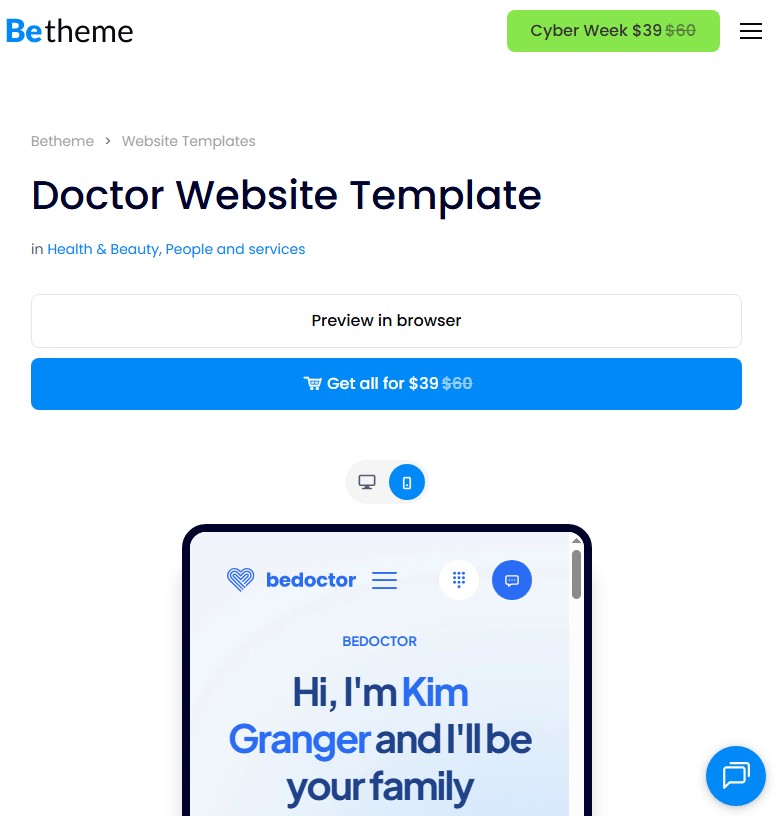
Blue , Associated with trust, professionalism, healthcare, corporate stability, and technological reliability.
-
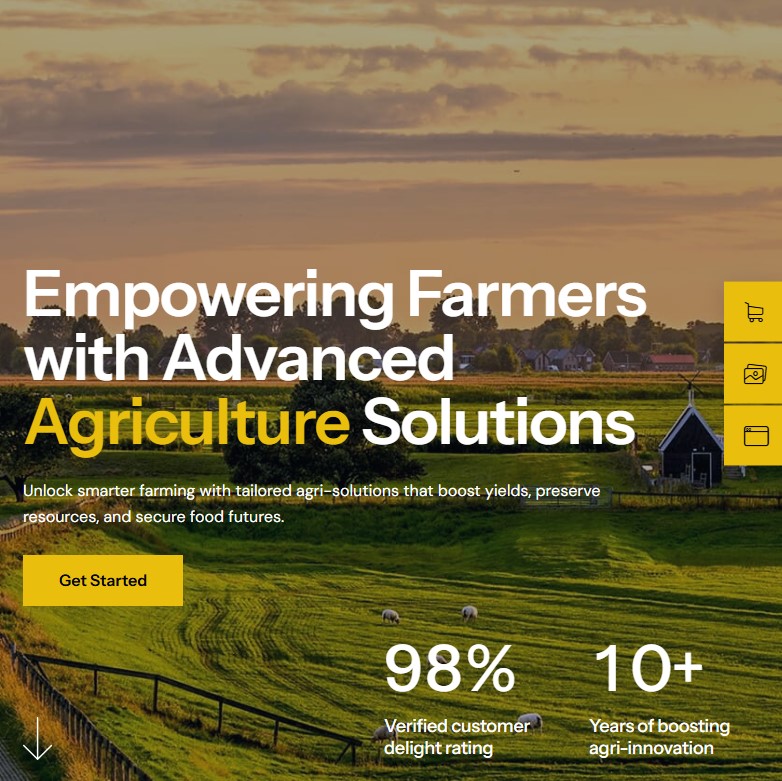
Green , Conveys growth, agriculture, sustainability, and natural harmony.
-
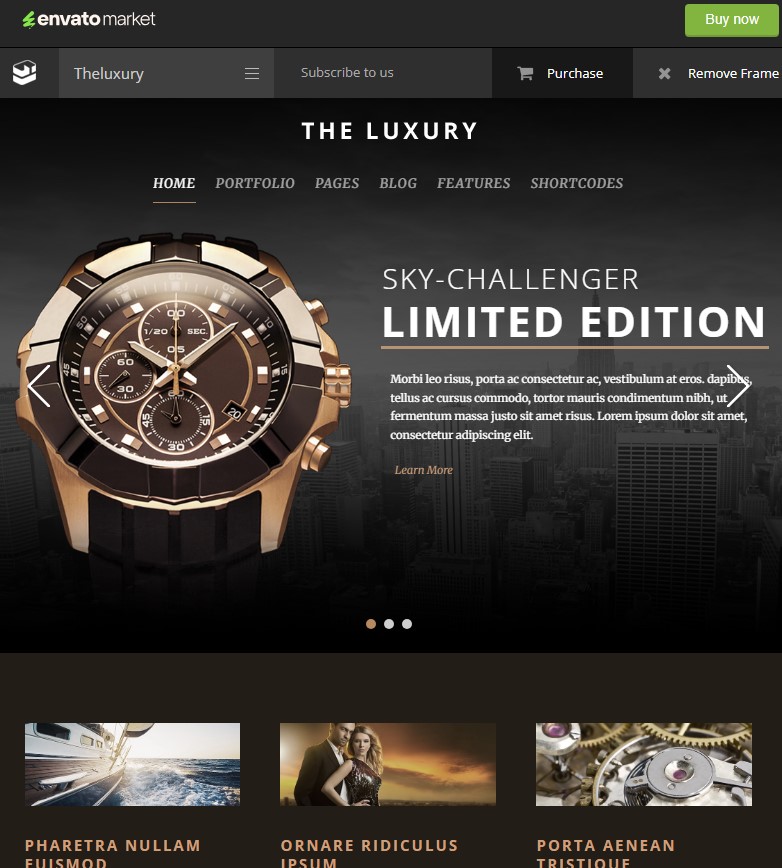
Black or Deep Gray , Communicates luxury, minimalism, exclusivity, and high-end value.
-
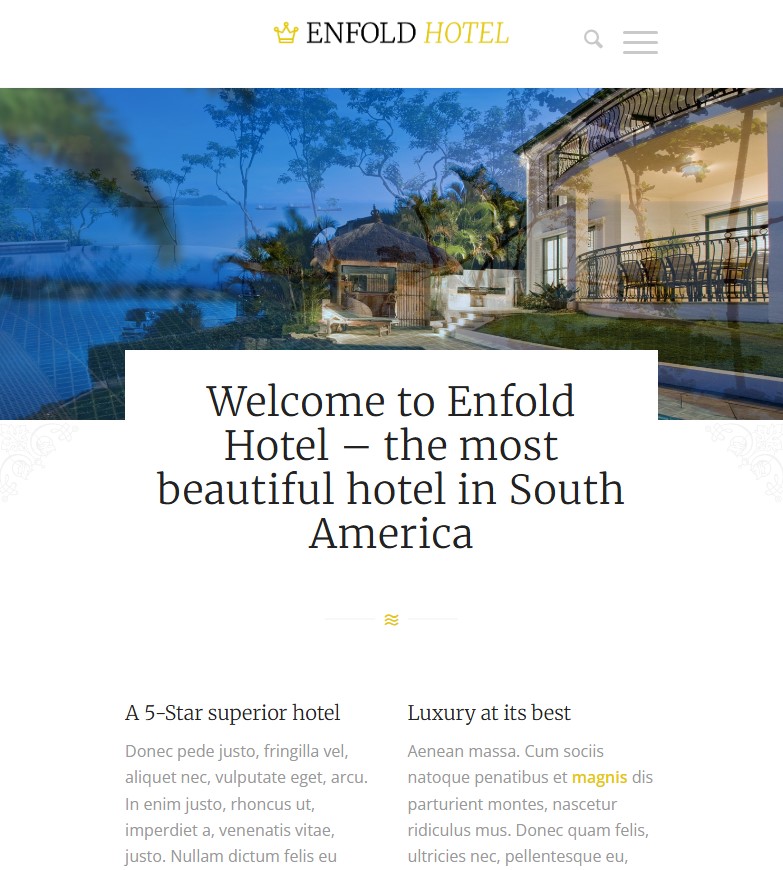
Gold Accents , Often used for premium branding, signaling prestige and elevated status.
-
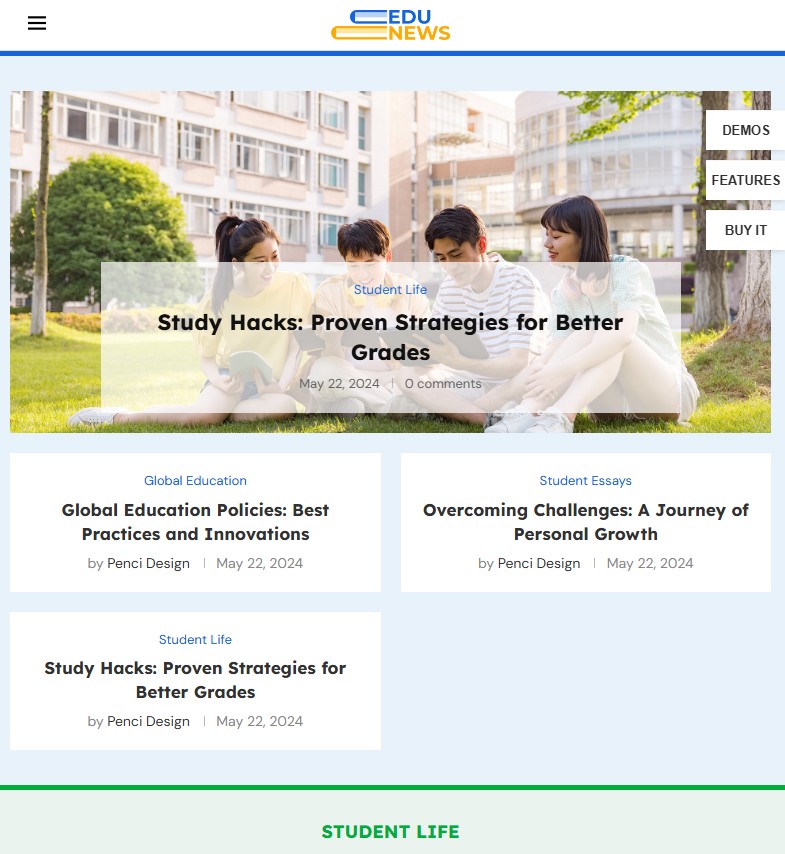
White and Light Neutrals , Reinforce clarity, cleanliness, and academic sophistication.
Businesses must consider whether the emotional interpretation of their color choices aligns with the tone of their industry. A mismatch, such as using playful or saturated colors for a medical institution, can unintentionally undermine professionalism.
Avoiding Color Conflicts With the Business Logo
One of the most common yet critical mistakes in WordPress theme installation is the selection of theme colors that inadvertently clash with the company logo. Because the logo serves as the organization’s most permanent identifier, the rest of the website’s palette must be built around it, not in opposition to it.
To maintain consistency and avoid visual conflict:
-
Refrain from using any color that negates or diminishes the logo’s visibility, especially within headers or navigation bars.
-
Ensure contrast ratios are optimal, allowing the logo to remain crisp, readable, and dominant in its designated space.
-
Avoid introducing new colors that have no relation to the company’s established palette, as this weakens brand coherence.
-
Test color combinations across different devices and brightness levels to ensure harmony in all contexts.
Consistency in color application strengthens the brand’s integrity and ensures that visitors immediately recognize and remember the business identity.
Theme Recommendations Based on Reliability and Long-Term Support
Selecting a WordPress theme that demonstrates consistent reliability and long-term developer support is essential for sustaining digital presence, maintaining security, and ensuring compatibility with future platform updates. A dependable theme is not merely visually appealing; it is engineered to withstand WordPress core changes, plugin evolutions, and SEO shifts over many years. The following considerations represent foundational criteria for determining whether a theme is suitable as a long-term investment for a business website.
Themes With Proven Performance Track Records
A high-quality theme should demonstrate consistent performance across multiple metrics, including speed, structural stability, and browser compatibility. Themes that have been widely adopted in professional environments typically show evidence of sustained optimization and active refinement.
Indicators of a theme with reliable performance include:
-
High rating scores from verified users with detailed, long-term reviews
-
Large active installation counts, showing that the theme is trusted by a broad professional community
-
Benchmark reports from third-party performance tools such as GTmetrix or PageSpeed Insights
-
Stable code structure with minimal bloat, reducing loading times and preventing rendering issues
-
Compatibility with essential business plugins such as security modules, SEO frameworks, LMS systems, booking engines, or e-commerce solutions
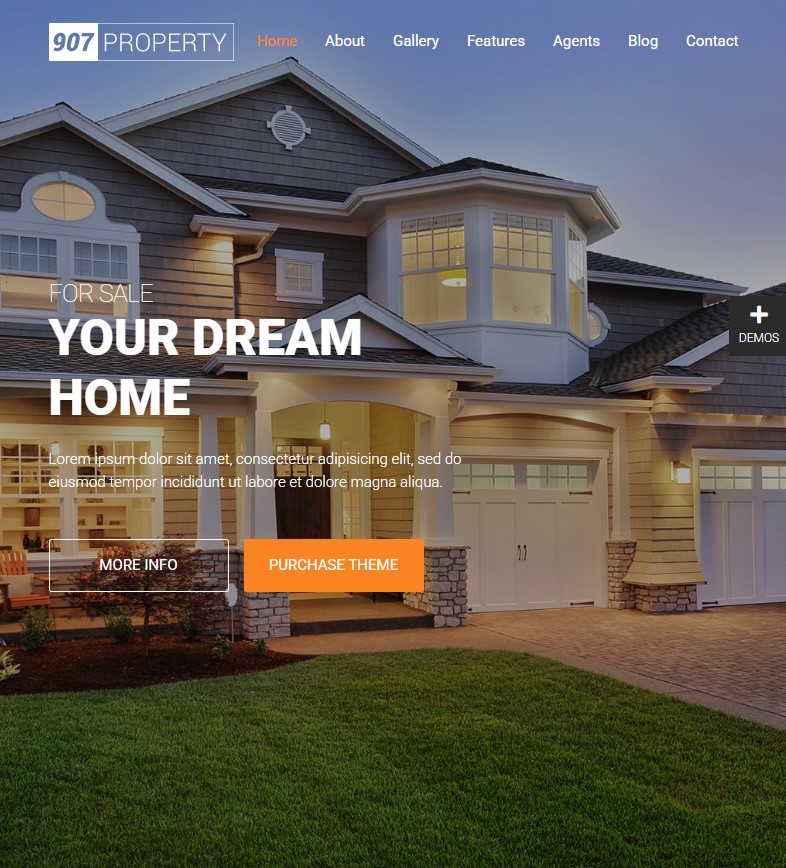
Themes like BeTheme, Ninezeroseven, Enfold, Kallyas, and Houzez frequently meet these criteria due to their long-standing reputation for efficiency and balanced design flexibility.
Developer Reputation and Update Frequency
A theme’s longevity is strongly associated with the commitment of its developer or development team. Themes backed by reputable organizations, especially those with a history of producing secure and high-performing digital products, tend to offer better reliability over time. Continuous updates not only enhance features but also ensure compatibility with WordPress core changes and evolving security standards.
Critical factors when assessing developer reputation include:
-
Frequency of theme updates, ideally monthly or bi-monthly
-
Clear update logs, demonstrating transparent versioning and technical improvements
-
Developer responsiveness to bug reports, vulnerabilities, and user concerns
-
Years of experience of the development team within the WordPress ecosystem
-
Professional certifications or partnerships, such as being recognized contributors to WordPress.org
Themes developed by established companies, such as BeTheme, Ninezeroseven, Enfold, Kallyas, and Houzez, are known for their consistent update cycles and high developer accountability.
Documentation Quality and Community Support
Solid documentation and active community engagement significantly enhance the usability of a theme. Comprehensive documentation ensures that users can customize the theme efficiently without relying excessively on external assistance, while strong community participation provides an additional layer of troubleshooting and best-practice sharing.
Elements of high-quality documentation include:
-
Step-by-step guides covering installation, customization, and troubleshooting
-
Extensive FAQs addressing common configuration challenges
-
Video tutorials for visual learners, especially regarding advanced settings
-
Code snippets and developer references for users requiring deeper customization
-
Clear examples of theme use cases across different industries
In addition to documentation, robust community support is an indicator of a theme’s long-term sustainability.
Characteristics of a strong support community include:
-
Active forums with timely responses
-
User groups on platforms such as Facebook or Reddit
-
Third-party tutorials, indicating broad user adoption
-
Public discussions that validate the theme’s reliability over time
A theme with both strong documentation and community support minimizes learning curves, enhances customization potential, and serves as a dependable long-term asset for any business website.
The Importance of Choosing a Theme That Balances Aesthetics, Performance, and Brand Identity
Selecting an appropriate WordPress theme is ultimately a strategic decision that goes far beyond visual presentation. A fully optimized theme serves as the structural, functional, and psychological foundation of a business website. When aesthetics, performance, and brand identity are intentionally aligned, the digital presence of a business becomes significantly stronger, more credible, and more persuasive to prospective clients. A theme that successfully integrates these three pillars not only improves usability but also enhances the overall perception of professionalism and authority.
To establish a website that genuinely represents the core values of a business, several concluding considerations must be emphasized:
-
Aesthetics must support clarity, credibility, and emotional resonance.
Visual harmony should communicate trust and expertise rather than distract users. Typography, spacing, and layout choices must reinforce the business’s positioning and professionalism. -
Performance determines whether potential clients stay or leave.
Speed, clean code, and mobile responsiveness are essential to reduce bounce rates, improve search engine rankings, and ensure uninterrupted interactions across devices. -
Brand identity must remain consistent across all interface elements.
Colors, icons, button styles, and overall visual direction should reflect the established brand style, particularly the company logo and primary brand palette. A theme that contradicts brand colors or tone can weaken authority, disrupt user trust, and diminish recognizability. -
Functionality must align with the operational needs of the industry.
Booking systems for hospitality, LMS features for education, property listing frameworks for real estate, or product showcases for agriculture must be inherent to the selected theme rather than forced through excessive third-party plugins. -
Long-term scalability must be considered from the beginning.
Themes should support future growth, additional pages, evolving SEO needs, and possible user interface updates without requiring a complete redesign.
Ultimately, the right WordPress theme is not chosen simply because it “looks nice.” It is selected because it provides a structural advantage, one that strengthens the digital identity of the business, supports long-term SEO strategy, and communicates authority through consistent and well-executed branding. By balancing visual design, technical performance, and brand expression, the chosen theme becomes a powerful extension of the business itself.
Consultation Offer for Theme Selection and Professional Installation
Selecting the most appropriate WordPress theme is only the first step in building a digital presence that reflects the integrity, authority, and long-term vision of a business. To ensure that every technical and aesthetic decision aligns with professional standards, I provide a dedicated consultation service designed to guide businesses through the entire process of choosing, configuring, and fully optimizing their WordPress theme.
This consultation is structured to help business owners avoid costly mistakes, such as selecting incompatible themes, choosing color palettes that conflict with their brand identity, or overlooking key SEO performance factors that influence search visibility. My approach emphasizes precision, clarity, and long-term scalability.
During the consultation, business owners may benefit from the following:
-
Professional recommendations tailored to the industry, branding style, and target audience.
-
Theme evaluation based on performance metrics, design flexibility, security, and long-term developer support.
-
Color palette alignment to ensure that the chosen theme complements the company’s logo and corporate color standards.
-
Technical configuration insights, including how theme structure affects SEO, speed, and user experience.
-
Guidance on essential features, such as schema integration, mobile responsiveness, and accessibility compliance.
To explore a more detailed overview of the services provided, readers are encouraged to review the primary service page here:
👉 https://wordpresswebsitelatenmaken.my.id/wordpress-theme-installation-service/
This article outlines the complete scope of my WordPress theme installation service, including specialized configurations, SEO structuring, content preparation, and long-term optimization strategies.
For individuals who are ready to discuss their website needs or require direct assistance in selecting and installing the most suitable theme, I provide professional support through WhatsApp. Initiating a conversation is simple and immediate through the link below:
I encourage readers to connect directly, as a personalized discussion can clarify uncertainties and ensure that every aspect of the website is aligned with professional expectations and industry standards.

🌐 Your Expert WordPress Setup & Performance Optimizer
Hello! I’m Arifin, a seasoned WordPress Specialist based in Sidoarjo, East Java, Indonesia, dedicated to delivering fast, secure, and professionally installed websites.
Are you looking for a hassle-free launch or a significant performance boost for your WordPress site? With deep experience in both frontend theme implementation and critical backend server tuning, I ensure your project is built on a solid foundation, ready for success.
My Core Expertise & Services:
| Service Category | What I Deliver | Key Benefits |
| Premium Theme Installation & Licensing | Expert installation and configuration of premium themes (e.g., ThemeForest). I handle license activation, ensuring compliance and smooth functionality from day one. | Professional look, full feature access, and proper licensing setup. |
| Seamless Website Migration | Stress-free transfer of your complete website from one hosting provider to another, guaranteeing zero data loss (except emailing list) and minimal downtime. | Reliable move, ready for a new hosting environment. |
| Advanced Plugin Conflict Resolution | Troubleshooting and fixing complex plugin conflicts (like LSCache vs. WP-Optimize), ensuring all performance and utility plugins work harmoniously without breaking your site. | Optimized performance and site stability without costly errors. |
| Critical Security Implementation (SSL/TLS) | Setting up and enforcing SSL/TLS certificates to secure your connection, protect against hacking threats, and build user trust. | Enhanced security, improved SEO, and “secure” browser status. |
| Backend & Server Performance Tuning | Expert configuration of PHP settings (increasing upload size, enabling GZIP compression, adjusting PHP version) to ensure optimal server resource allocation and lightweight WordPress loading. | Dramatically improved website loading speed and reliability. |
| Hosting & Domain Management | Custom Email Setup: Creating professional domain-specific email addresses and setting up reliable email forwarders. Infrastructure: Managing custom data uploads via File Manager and creating subdomains. | Full control over your digital identity and development environment. |
Why Choose Me?
I go beyond simple installation. I deliver a fully optimized, secure, and ready-to-launch website. My commitment is to resolve the technical headaches, especially plugin conflicts and server-side performance issues, so you can focus purely on your content and business.
🌍 Global Reach & Support
I proudly serve your websites worldwide, supporting clients and projects from the US, Canada, Australia, Norway, Luxembourg, Netherlands, Croatia, Scotland, Dubai, Qatar, and many more international locations. Distance is not a barrier to achieving peak website performance!
📞 Ready to Boost Your Website’s Performance?
For immediate consultation and quick support, feel free to reach out directly via WhatsApp.
WhatsApp (Arifin): +62 838-3441-8700
⬇️ Click to Chat Now! ⬇️
Start Your Free Website Consultation
I’ve helped entrepreneurs, bloggers, agencies, and corporate teams transform basic WordPress installs into fully optimized, high-performing websites — without unnecessary complications or upsells. SEO isn’t guesswork for me… it’s architecture. Every setting has a purpose, every article is built to rank, and every site gets the foundation it deserves.
Outside of the keyboard, I share insights and professional journey through my LinkedIn profile:
(linkedin.com/in/shoumal-arifin-b432a3286) — feel free to connect if you like straightforward WordPress talk with a side of dry humor.
If you want a website that’s not just “installed” but intelligently engineered and future-proofed for search engines, I’m your guy. My philosophy is simple:
Good design makes a site look nice. Good SEO makes a site unforgettable.
Let me handle the complicated stuff so you can focus on what you do best, running your business.
Your website deserves more than a theme. It deserves an expert.
=============================================================